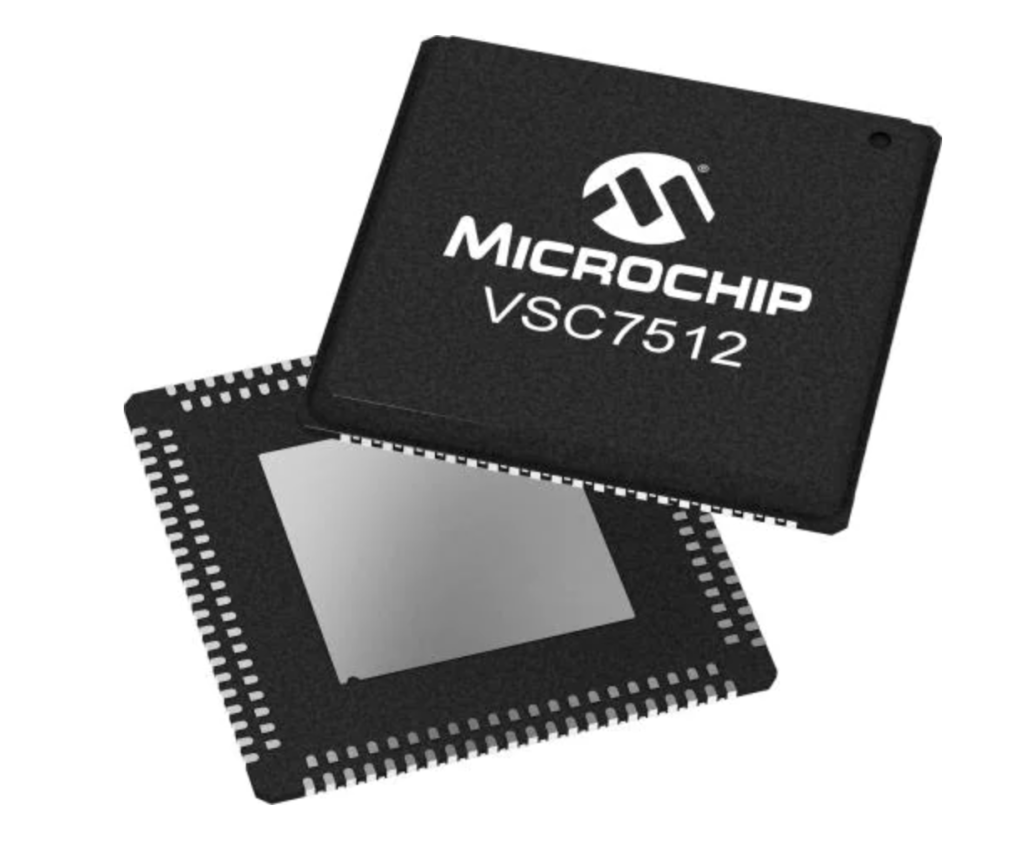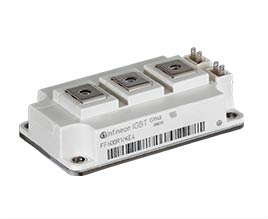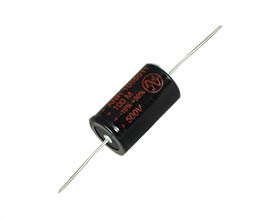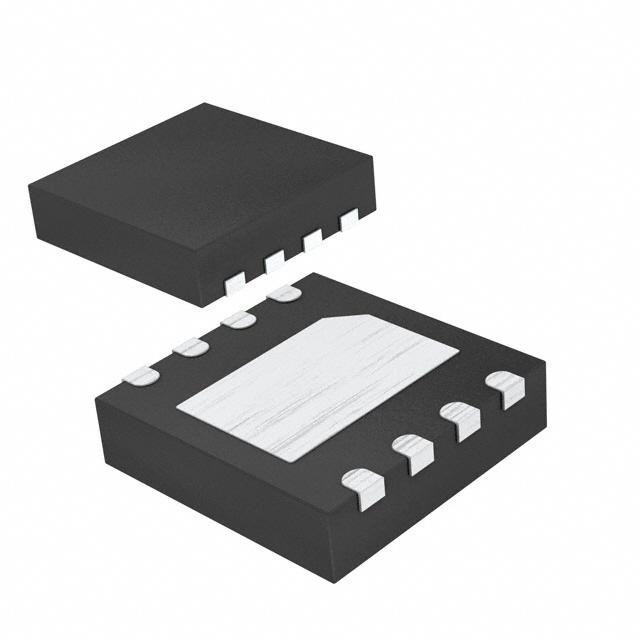
Counterfeit integrated circuits are not a niche problem. Industry estimates put the cost to the global electronics supply chain at over $75 billion annually, and the fakes are getting harder to detect. Whether you’re a procurement engineer vetting a new supplier or a hardware designer who’s received parts that just don’t look right, having a systematic approach to inspection matters.
This checklist won’t replace professional lab testing, but it covers the practical steps you can take at your desk, on the receiving dock, or in your workshop before committing suspect parts to a build.
Start With the Packaging
Before you even look at the components themselves, the packaging tells a story. Genuine parts from authorised channels arrive in consistent, manufacturer-branded packaging with lot codes, date codes, and moisture sensitivity labels that all match. Watch out for mismatched labels, resealed moisture barrier bags, or tubes and reels that show signs of handling inconsistent with factory-fresh stock.
Pay particular attention to the desiccant inside moisture barrier bags. If it’s saturated or missing entirely, the parts may have been removed from original packaging and repackaged — a common step in the counterfeiting process.
Visual Inspection of the Component
Under good lighting (and ideally a stereo microscope at 10-30x magnification), examine the IC package itself. Here’s what to look for:
Markings consistency. Genuine manufacturer markings are laser-etched or ink-stamped with precise, consistent depth and spacing. Counterfeit markings often show uneven letter spacing, different font weights, or marks that can be scratched off with a fingernail or acetone. If the marking comes off with a solvent wipe, it’s been re-marked.
Surface finish. Legitimate ICs have a uniform mould finish. Resurfaced (blacktopped) parts often show a slightly glossy or textured surface that differs from the original. Look at the package edges — sanding marks or uneven surfaces are red flags.
Lead condition. Check the leads or solder balls carefully. Fresh parts have bright, uniform finish on their leads. Salvaged parts often show solder residue, bent or re-formed leads, or oxidation patterns inconsistent with their supposed date code.
Pin-1 and orientation marks. Compare the pin-1 indicator, logo placement, and any lot/date codes against the manufacturer’s datasheet or a known-good reference. Counterfeiters frequently get small details wrong — a dot that’s slightly too large, a logo that’s subtly different, or a country-of-origin marking that doesn’t match the manufacturer’s actual factory locations.
Check the Date and Lot Codes
Every legitimate IC carries a date code indicating when it was manufactured. Cross-reference this with the part’s lifecycle. If a part was discontinued in 2018 but carries a 2024 date code, something is obviously wrong. Similarly, if you’re buying a batch that should be from the same manufacturing lot but find mixed date codes, you’re likely looking at parts that have been aggregated from multiple sources — a hallmark of the grey market.
Manufacturers like Texas Instruments, STMicroelectronics, and NXP all publish guides explaining their date code formats. It’s worth bookmarking these and using them routinely.
The Acetone Test
A simple acetone wipe can reveal re-marked parts. Genuine laser-etched markings are unaffected by acetone. If the part number, logo, or date code smudges, bleeds, or comes off when you rub with an acetone-dampened cotton swab, the part has been re-marked. This is one of the easiest and most reliable quick tests you can perform.
Note: some very old genuine parts with ink markings may also be affected by acetone, so consider this test alongside other indicators rather than in isolation.
Electrical Testing
If you have the equipment and capability, basic electrical testing can catch many counterfeits. Checking for correct pin-to-pin continuity, supply current draw, and basic functional behaviour against the datasheet will flag parts that are the wrong die inside the right package — a common counterfeiting technique where a cheaper or lower-grade IC is re-marked as a more expensive one.
For critical applications, X-ray inspection and decapsulation (opening the package to inspect the die) are the gold standard, but these require specialist equipment and are typically done by professional test labs.
Source Verification
The single most effective way to avoid counterfeits is to verify your supply chain. Know where your parts are coming from. Authorised distributors buy directly from manufacturers and maintain full traceability. When you can’t source through authorised channels — because the part is obsolete, allocated, or simply not stocked — an independent distributor with proper testing and verification procedures is your next best option.
Ask your supplier pointed questions: Can they provide a certificate of conformance? Do they perform incoming inspection? Can they trace the parts back to the original manufacturer or authorised source? A reputable supplier will answer these without hesitation.
Red Flags Summary
Keep this quick-reference list handy when inspecting incoming parts:
Markings that rub off with acetone or a fingernail. Inconsistent or missing date/lot codes. Resurfaced or unusually glossy package finish. Mixed date codes in a single batch. Leads showing solder residue or rework evidence. Pricing that’s dramatically below market for parts that should be hard to find. A supplier who can’t or won’t provide traceability documentation.
Any one of these on its own warrants further investigation. Two or more together, and you should seriously question the parts’ authenticity before they go anywhere near a production line.
Worried about counterfeit components in your supply chain? At ICCorders, every part we supply goes through rigorous inspection and testing. We provide full traceability documentation and stand behind the authenticity of every IC we sell. Request a quote today and source with confidence.